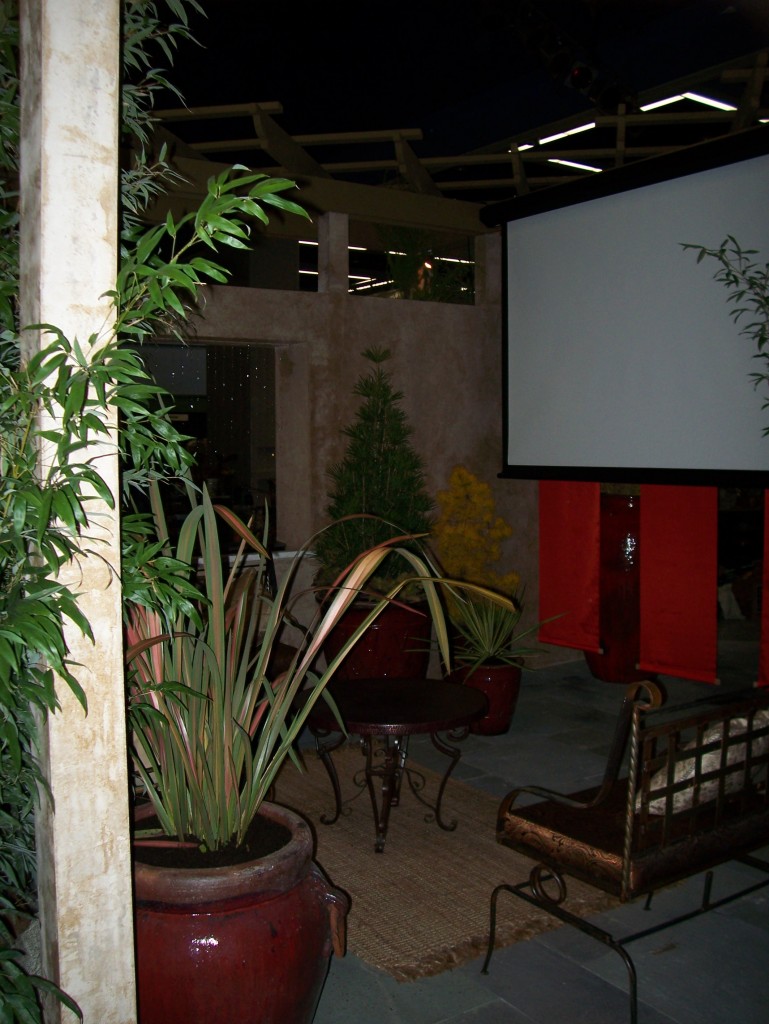
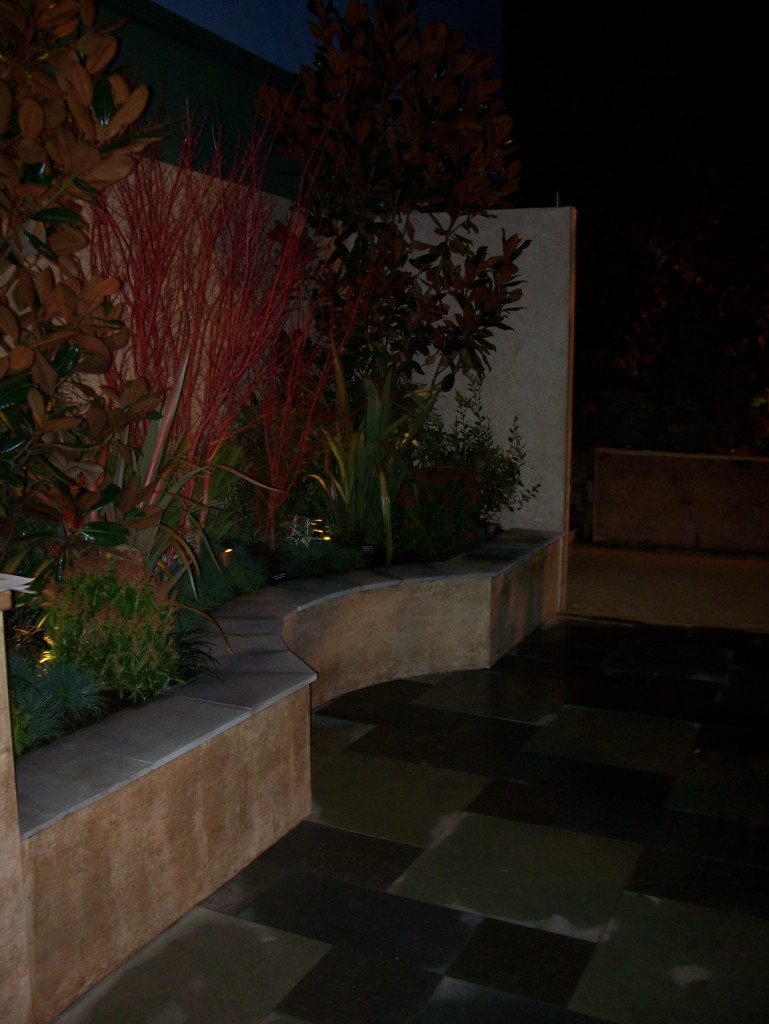
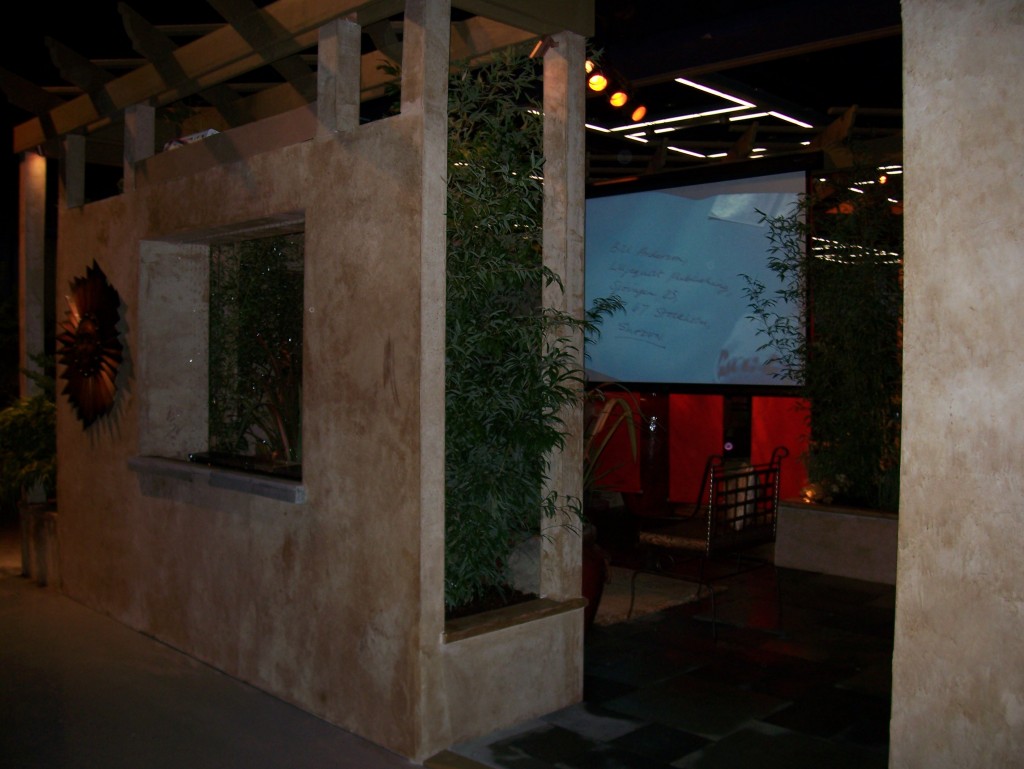
If you had a chance to visit the show, you know how many amazing displays there were. The creativity is boundless. No one comes away without a thousand new ideas for their garden.
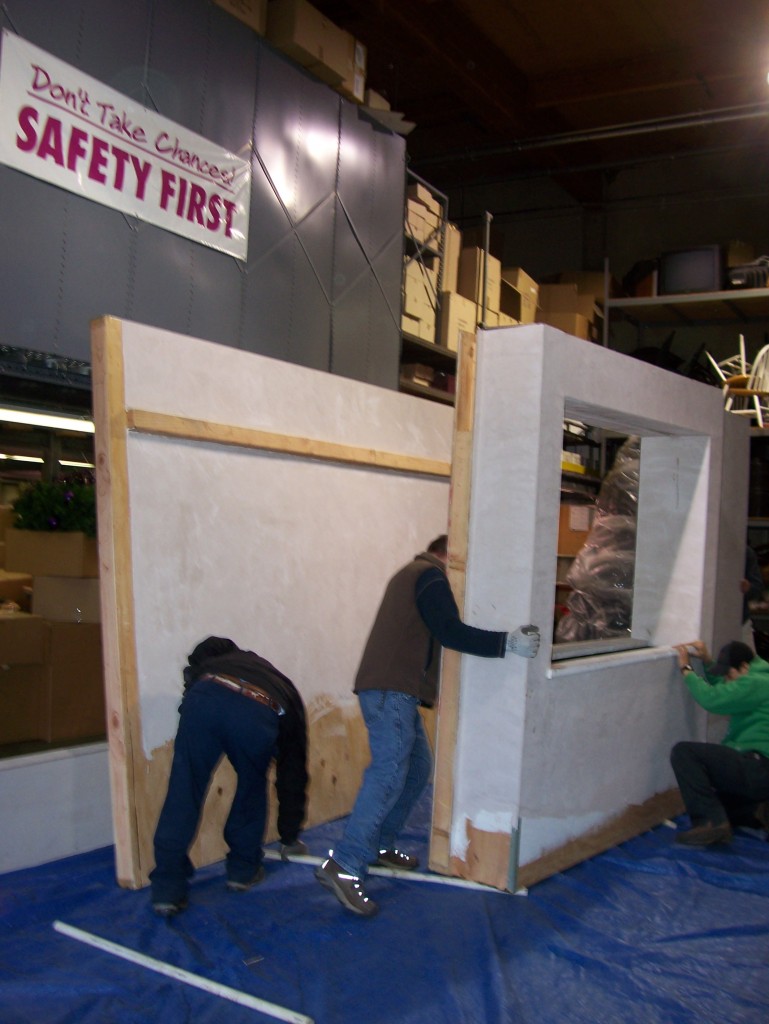
Now that you’ve seen the final product, we thought you might enjoy a behind the scenes look at how the WALP display came together this year.
BEFORE – BUILDING THE DISPLAY
THE WALP DISPLAY AT THE 2010 NORTHWEST FLOWER & GARDEN SHOW
March signals the return of spring. Crocuses are blooming. Grass is growing. Trees are in bud. If you love nature, you can’t help but love spring.
Which is why we designated March as Customer Appreciation Month here at Plantscapes.
Even though we’ve had a very mild winter this year in the Puget Sound, your landscape is probably ready for a good, old fashioned “spring cleaning.” One of the most important steps you can take in getting your landscape ready for the new growing season is to renovate the mulch.
After a year of weathering, bark can get “worn out.” Some has been blown or tracked away. Weed seeds, litter, and insect egss may be lurking just below the surface. In short, the bark mulch can no longer do the job it is designed for.
A fresh layer of mulch not only re-invigorates the landscape, it adds a fresh, clean look to your beds and trees.
Until March 31, Plantscapes clients will receive 15% Off on any bark order.
This is a great way to kick off spring. If you are interested, just give us a call: 206-623-7100
Mid-winter, while your fruit trees are dormant, is the best time to start the fight against insects in the coming year.
Dormant Oil is one of natural gardening’s main weapons in the fight against insects and fungal disease on fruit trees. It works by smoothering spores and eggs in a coating of oil. Most commercial dormant oil sprays are made from mineral oil, a highly refined form of petroleum. A special emulsifier allows the spray to be mixed with water.
Lime -Sulfur spray, which is an anti-fungal sprayed for dormant trees, burns eggs and fungus spores hidden in the bark. It is quite caustic and should be sprayed only on calm, dry days. Wear goggles and gloves when using lime-sulfur, and be sure to cover nearby evergreens or other non-dormant plants and shrubs that may be hit by drifting spray.
There are also special year-round oil sprays, usually labelled as “horticultural oil,” rather than dormant oil. These lighter oils may be applied to leaves, fruit and buds without damage. You must follow the label instructions exactly when calculating dilution rates. Even a highly refined superior oil can cause damage if the mix is too heavy.
Dormant sprays are usually considered organic. However, you shouldn’t confuse “organic” with “harmless.” The mist can be dangerous to breathe in high concentrations, and lime-sulfur in the eyes or on the skin can be extremely corrosive and damaging. Be sure to read the label, follow directions, and only use the sprays when there is no chance of wind or rain.
While dormant sprays are a great first step, they are not a cure all.
Spores and insect eggs can over-winter in fallen leaves and mulch under the trees. If you’ve experienced problems with bugs or disease in the previous growing season, it is extremely important that you clean up all debris around your plants, even going so far as to remove the old mulch and add fresh.
The work you do now, in the winter, will pay off in the summer. Your trees will be healthier; they may even yield more fruit; and you won’t have to use dangerous chemicals when you, your children and your pets are relaxing in the shade of your trees.