
CARING FOR YOUR WINTER GARDEN – PART 4
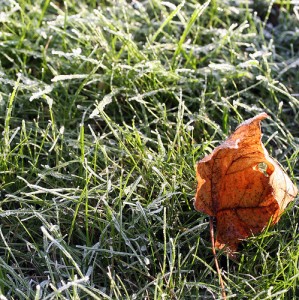
Is it safe to walk on a frosty or frozen lawn?
Generally, no. It is better to stay off grass that is frosty or frozen. Your weight can break the brittle blades of grass, driving ice crystals into tissue, which will damage – or even kill – the grass. Come spring, you may find dead patches in your lawn.
Grass that is damaged, but not killed, will be more susceptible to insect damage, moss, and weeds in the spring.
The best course, if possible, is to just stay off the grass until the sun melts the frost.
Even grass covered by snow can be damaged by heavy foot traffic, so be careful when building snowmen or making snow angels.
HOW SHOULD YOU CARE FOR TURF IN THE WINTER?
Grass usually survives winter without any special care.
During the short, cold days of winter, northern turf goes dormant. It stops growing and does not require mowing, watering, or fertilizing. Grass has a high sugar content, which normally acts as a sort of natural anti-freeze, allowing it to overwinter without protection.
You ensure green and healthy turf in the spring by caring for your lawn in the fall.
A good fall regimen for a healthy lawn will:
- Fertilize with a good, slow release fertilizer that will encourage root growth, rather than top growth.
- Rake up leaves and grass clippings
- Top dress with compost
- Add lime to sweeten the acid soil common in Puget Sound
- Overseed bare patches
Remember – you are building strong roots and healthy soil. While this is a year-round goal, it is especially important in the fall. Your turf will not only survive the cold but will be thick and green come spring.
This post was Part 4 of a series.
Part 1: Caring For Your Winter Garden
Part 2: Frozen Ground
Part 3: Protect Your Pots
Photo by Xerones Released under Creative Commons License